

Oral Chelation Blog http://www.oralchelationblog.com by Cardio Renew Mon, 11 Aug 2008 14:27:10 +0000 http://wordpress.org/?v=2.5.1 en History of EDTA Chelation, Part 1 http://www.oralchelationblog.com/?p=83 http://www.oralchelationblog.com/?p=83#comments Mon, 11 Aug 2008 14:27:10 +0000 Kelley http://www.oralchelationblog.com/?p=83 The development of chelation therapy began with a Nobel Prize winning chemist, Alfred Werner. In the 1890s he developed a theory of transitional metal complexes, laying the foundation of coordination chemistry.  This resulted in explaining the process of how metals combine with organic compounds and laying the foundation for chelation.  For this ground breaking work, he received the Nobel Prize in 1913 (and was the first inorganic chemist to do so).

The first applications of Werner’s work appeared in the industrial arena after WWI.  New compounds were introduced, including paints, that had high concentrations of heavy metals.  Reducing their toxicity was crucial to worker safety.  Germany began to use citric acid, but in the 1930’s, due to excessive importing of citric acid, developed EDTA (Ethylene-diamine-tetra-acetate).  EDTA is an amino acid that can combine with and bind many heavy metals.  It was found not only to be very effective, but to have a variety of industrial and applications.  Germany began to sell EDTA for widespread, international industrial use.

The use of EDTA in medicine was spurred by the threats of WWII and the Cold War.  British officials were particularly concerned about the effects of gas warfare, particularly after WWI and the horrors that the chemicals unleashed.  British scientists developed their own chelating agent, dimercaprol.  It effectively bound arsenic in the blood stream, but had severe side effects.  After WWII, the US was particularly concerned about nuclear war and radiation fallout.  The government stocked up on EDTA, as it was more effective (and safer) than the British chelating agent.

At the same time, a doctor at Georgetown University, Charles Geschickter, used chelation to remove toxic nickel complexes from a cancer patient who had undergone chemotherapy.  However, little attention was paid to this successful application.  It wasn’t until the 1950’s, when the US military used EDTA to treat lead poisoning, that chelation therapy gained more attention.  Patients recovered not only from their lead poisoning, but also experienced a wide range of beneficial side affects, including improved memory and concentration and reductions in chest pains and arteriosclerosis.

To learn more about the history of EDTA chelation, be sure to come back to the blog this week!  We’ll go more into the uses of EDTA in medicine since the 1950’s and the research initiatives behind it.  You can also learn more about oral chelation for heart health at Cardio Renew!

]]>
http://www.oralchelationblog.com/?feed=rss2&p=83
What is Diabetic Neuropathy and how is Treated? http://www.oralchelationblog.com/?p=82 http://www.oralchelationblog.com/?p=82#comments Fri, 08 Aug 2008 14:38:02 +0000 admin http://www.oralchelationblog.com/?p=82 Diabetic neuropathy is a peripheral nerve disorder caused by diabetes. There are a number of ways that diabetes damages the nerves, but they all seem related to blood glucose being too high for a long period of time. The areas of the body most commonly affected by diabetic peripheral neuropathy are the feet and legs. Symptoms include tingling, numbness, burning, and pain. Learn more about the other types of diabetes: Diabetes Retinopathy and Diabetes Mellitus (Type I and Type II Diabetes)

The goal of treating diabetic neuropathy is to relieve discomfort and prevent further tissue damage. The first step is to bring blood sugar levels under control by diet and medication. Another important part of treatment involves taking special care of the feet. Analgesics, low doses of antidepressants, and some anticonvulsant medications may be prescribed for relief of pain, burning, or tingling. Some patients may find that walking regularly, taking warm baths, or using elastic stockings may help relieve leg pain. Oral chelation therapy can also help relieve the discomfort associated with diabetic neuropathy. Visit Cardio Renew to learn more about the benefits of EDTA oral chelation therapy for diabetic neuropathy.

]]>
http://www.oralchelationblog.com/?feed=rss2&p=82
Oral Chelation Videos http://www.oralchelationblog.com/?p=81 http://www.oralchelationblog.com/?p=81#comments Thu, 07 Aug 2008 15:52:48 +0000 admin http://www.oralchelationblog.com/?p=81 Have you seen our Oral Chelation videos? They’re a great way to learn more about oral chelation therapy and the benefits those who have taken EDTA chelation therapy have found. The first video is from Today’s Health, a medical news and information show.


The other video is an oral chelation therapy news report. See some interviews with patients who have taken chelation therapy as an alternative to artery unblocking surgeries, or use it to maintain their health.

If you’re ready to learn more about oral chelation therapy and how it can benefit you, read our FAQ. Chelation is an easy, healthy way to improve circulation and reduce blockages in arteries. It’s great for healthy living!

]]>
http://www.oralchelationblog.com/?feed=rss2&p=81
Help Treat Diabetic Retinopathy with EDTA Chelation Therapy http://www.oralchelationblog.com/?p=73 http://www.oralchelationblog.com/?p=73#comments Wed, 06 Aug 2008 17:17:33 +0000 admin http://www.oralchelationblog.com/?p=73 Diabetic retinopathy is the most common diabetic eye disease and a leading cause of blindness in American adults. It is caused by changes in the blood vessels of the retina. At first, diabetic retinopathy may cause no symptoms or only mild vision problems. Eventually, however, diabetic retinopathy can result in blindness.

Here are the four stages of diabetic retinopathy according to the National Eye Institute:

Mild Nonproliferative Retinopathy: At this earliest stage, microaneurysms occur. They are small areas of balloon-like swelling in the retina’s tiny blood vessels.
Moderate Nonproliferative Retinopathy: As the disease progresses, some blood vessels that nourish the retina are blocked.
Severe Nonproliferative Retinopathy: Many more blood vessels are blocked, depriving several areas of the retina with their blood supply. These areas of the retina send signals to the body to grow new blood vessels for nourishment.

Proliferative Retinopathy:
At this advanced stage, the signals sent by the retina for nourishment trigger the growth of new blood vessels. This condition is called proliferative retinopathy. These new blood vessels are abnormal and fragile. They grow along the retina and along the surface of the clear, vitreous gel that fills the inside of the eye. By themselves, these blood vessels do not cause symptoms or vision loss. However, they have thin, fragile walls. If they leak blood, severe vision loss and even blindness can result.

There are several risk factors for diabetic retinopathy including high blood pressure, high cholesterol, and smoking. Common symptoms include blurred vision, vision loss, poor night visions, spots floating in your vision, and dark streaks or a red film that blocks your vision.

Chelation for diabetes can help in keeping one’s blood pressure levels in (what is considered) a normal range and can help to avoid (and possibly prevent) loss of vision. Visit Cardio Renew to see how oral EDTA chelation can help you reduce the symptoms of diabetic retinopathy. Or call us at 800-578-1215.

]]>
http://www.oralchelationblog.com/?feed=rss2&p=73
Dementia and EDTA Chelation Therapy http://www.oralchelationblog.com/?p=72 http://www.oralchelationblog.com/?p=72#comments Tue, 05 Aug 2008 14:40:00 +0000 Kelley http://www.oralchelationblog.com/?p=72 As we get older, we may find ourselves wondering where we put the car keys and forgetting the name of the neighbor’s grandchild.  Some memory loss is normal during the aging process; your brain just has to work a little harder to remember some things, especially brand new information.  However, memory loss that worsens over time or affects ability to function is one sign of senile dementia, a general category that includes conditions such as Alzheimer’s, vascular dementia, and Huntington’s.  Dementia is not part of the normal aging process, as many people live well into old age without suffering any other symptoms such as personality changes, loss of language skills, or impaired intellectual functioning.

Dementia can be caused by hereditary and non-hereditary factors.  Non-hereditary causes can be reactions to medications, infections, heavy metal poisoning, and reductions in blood or oxygen supplies to the brain and other tissues.  Heavy metals, like aluminum and mercury, can cause forgetfulness and also dramatically affect the nervous system if exposure is too great or prolonged.  Reduction in blood and oxygen supplies to the brain contributes to cell death.  Arteriosclerosis, the hardening of the arteries, can also restrict blood flow, as the walls become stiff and unable to effectively circulate blood.  Cardiovascular disease is also a cause, as the heart cannot work well enough to pump blood around the body.

EDTA chelation therapy can reduce the effects of heavy metal poisoning and circulatory conditions.  EDTA removes heavy metals from the body by binding them, and can also clear the blockages that form in arteries, known as atherosclerosis.  This increases blood flow around the body, allowing the heart to work more efficiently.  Vital blood, oxygen, and other nutrients are delivered to the brain and other tissues.  Oral chelation is a safe, effective at home method of treatment to improve blood flow and remove heavy metals.  It can also be a good preventative measure to keep your body in optimal health and reduce your risk for future dementia-causing conditions.  Combined with a healthy diet and exercise, it can benefit your body in so many ways!

]]>
http://www.oralchelationblog.com/?feed=rss2&p=72
Oral Chelation for Diabetes Mellitus (Type 1 and Type 2 Diabetes) http://www.oralchelationblog.com/?p=71 http://www.oralchelationblog.com/?p=71#comments Mon, 04 Aug 2008 21:26:30 +0000 admin http://www.oralchelationblog.com/?p=71 Diabetes Mellitus, also known as Type 1 and Type 2 diabetes, is a chronic condition associated with abnormally high levels of sugar (glucose) in the blood. Diabetes Mellitus is cause by an absence or insufficient production of insulin. The two types of Diabetes Mellitus are referred to as type 1 (insulin dependent) and type 2 (non-insulin dependent). Symptoms of diabetes include increased urine output, thirst and hunger as well as fatigue. Diabetes is diagnosed by blood sugar (glucose) testing.

The major complications of diabetes that may occur are both acute and chronic. Acute complications are dangerously elevated blood sugar and abnormally low blood sugar due to diabetes medications. Chronic complications are disease of the blood vessels (both small and large) which can damage the eye, kidneys, nerves, and heart.

Diabetes treatment depends on the type and severity of the diabetes. Type 1 Diabetes is treated with insulin, exercise, and a diabetic diet. Type 2 Diabetes is first treated with weight reduction, a diabetic diet, and exercise. When these measures fail to control the elevated blood sugars, oral medications are used. If oral medications are still insufficient, insulin medications are considered. Oral chelation therapy, in conjunction with these treatments, can also help manage your Diabetes. This is because EDTA chelation helps to cleanse the veins and arteries which increases blood flow. Visit Cardio Renew to order oral EDTA chelation and to learn more about the about the benefits of oral chelation therapy for Diabetes.

]]> http://www.oralchelationblog.com/?feed=rss2&p=71 Elevated Blood Fats http://www.oralchelationblog.com/?p=70 http://www.oralchelationblog.com/?p=70#comments Fri, 01 Aug 2008 13:53:37 +0000 Kelley http://www.oralchelationblog.com/?p=70 Hyperlipidemia, or elevated blood fats, is a condition in which there are raised or abnormally high levels of fats (lipids) in the blood. These include cholesterol and triglycerides. Your body needs fats to function properly, but problems can occur when there is too much in the bloodstream. Elevated fat levels can be caused by genetic factors, an unhealthy diet, too little exercise, or conditions like diabetes or hypothyroidism. Risk of hyperlipidemia increases with age and smoking as well.

Elevated fats can contribute to atherosclerosis, the build up of fatty deposits in artieries, which can lead to arteriosclerosis, the hardening of the arteries that occurs when plaques and tissues build up. Atherosclerosis reduces the flexibility of arteries and the ability of your heart to effectively pump blood throughout your body. Fats can collect in arteries and veins, eventually hardening and turning to plaque. Plaque or a broken off piece of plaque can narrow an artery or even cut off blood flow completely, potentially causing a heart attack or stroke.

Oral chelation works to reduce the plaque buildup caused by hyperlipidemia by removing the heavy metals and excess calcium in the buildup, allowing your body to clear the blockage. Blood flow is improved and your heart can pump more effectively. EDTA chelation can also help with a variety of conditions, especially those caused or worsened by poor circulation and flow of nutrients. A six-week chelation program can put you on the right track towards reducing hyperlipidemia. Combined with vitamins, diet, and exercise, you and your heart can become healthier!

]]>
http://www.oralchelationblog.com/?feed=rss2&p=70
Get Started Today with Liquid Chelation Therapy! http://www.oralchelationblog.com/?p=69 http://www.oralchelationblog.com/?p=69#comments Thu, 31 Jul 2008 20:14:24 +0000 admin http://www.oralchelationblog.com/?p=69 Oral Chelation therapy is a great way to cleanse your body and feel good again. When unwanted metals and excess minerals are in your bloodstream, they accumulate and harden, causing poor circulation. Liquid EDTA chelates (removes) toxins and heavy metals, along with excessive mineral deposits. This cleansing of your body’s arteries and veins leads to increased blood flow. EDTA chelation therapy provides your body with the proper blood flow rich in oxygen and nutrients, allowing it to recuperate, regenerate and function normally once again.

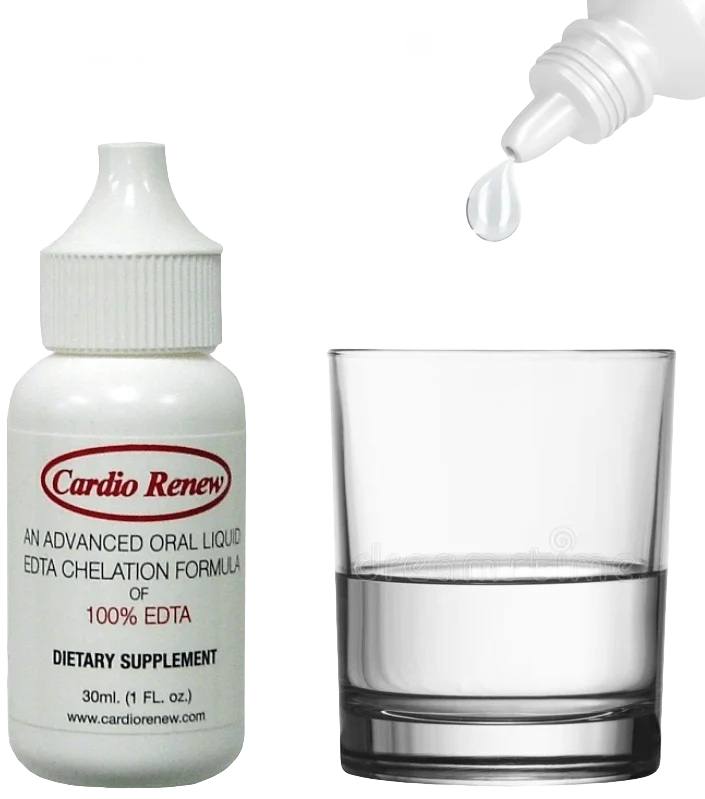
Getting started with liquid EDTA chelation therapy is easy. Cardio Renew’s 6 week starter program, the Foundation Program, is the best place to start. You’ll start at 6 doses a day for the first two weeks, 5 doses for two more, and then finish out with four doses for the last two. You can take the doses in one hour intervals or spread them out through the day. You’ll have to wait 10 minutes after drinking Cardio Renew to have additional liquids.

You’ll want to avoid taking certain supplements such as calcium, iron, and magnesium during the 6 week program. We do recommend taking at least 1,000 mg of Vitamin C & 1,000 IU of Vitamin E daily during your program. You’ll also have to keep your dairy intake to a minimum. See all directions for the liquid chelation therapy program.

Liquid chelation can also help with many conditions including diabetes, heart disease, hypertension, bone spurs, arterioscelrosis and many other conditions. Visit Cardio Renew to get started on with your liquid chelation program now and start feeling better tomorrow!

]]>
http://www.oralchelationblog.com/?feed=rss2&p=69
Chelation Therapy for Scleroderma http://www.oralchelationblog.com/?p=68 http://www.oralchelationblog.com/?p=68#comments Wed, 30 Jul 2008 15:28:34 +0000 Kelley http://www.oralchelationblog.com/?p=68 Scleroderma is a progressive disease where the connective and soft tissues of the body harden with scar-like tissues or calcium deposits. It is an autoimmune disease, or a disease in which the body is attacked by its own immune system. There is no known cause, but some suggest that genes or an injury to the body activate the body’s response, causing the body to lay down the scar tissues. The disease can be systemic, with even organs affected, or localized to the skin on the hands and face, for example. Damage to arterial walls can also occur, and over time a person with scleroderma may face limited movement in affected joints.

Some with scleroderma also experience Raynaud’s disease, which is characterized by a reduction in blood flow to the skin, especially extremeties like finger, ears, and the nose. Scleroderma patients may have blockages in their veins that are reducing this blood flow.

There is no one effective scleroderma treatment, but EDTA chelation therapy can help to reduce the blockages in the circulatory system and help those with the disease maintain good circulation throughout their body. EDTA works by removing the calcium deposits that build up in veins and arteries, thus removing the blockages. With the blockages removed, the heart is better able to function and essential nutrients and oxygen can again move freely around the body. Oral chelation therapy is an easy way to take EDTA chelation therapy at home. Begin with a six-week chelation program, and then continue with a chelation maintenance plan to ensure lasting oral chelation benefits and improvements in scleroderma and other conditions.

]]>
http://www.oralchelationblog.com/?feed=rss2&p=68
Improve your Heart Health with Exercise and Oral EDTA Chelation Therapy http://www.oralchelationblog.com/?p=67 http://www.oralchelationblog.com/?p=67#comments Tue, 29 Jul 2008 21:16:51 +0000 admin http://www.oralchelationblog.com/?p=67 Regular exercise is a key factor to having a healthy heart. Regular exercise delivers oxygen and nutrients to your tissues which helps your whole cardiovascular system work more efficiently. This extra circulation increases blood through your heart and blood vessels. This will strengthen your heart and give you more energy! Regular exercise can also help prevent of help manage your high blood pressure.

In order to feel the benefits of exercise, you don’t have to exert yourself too much. Exercising at a moderate to slightly heavy rate for 30 minutes is ideal. Use your breathing as your guide. You should feel slightly out of breathe. If you are having a difficult time breathing, slow down. If you can talk normal during exercise, then speed up. And of course, consult with your doctor first before beginning any exercise program.

EDTA oral chelation therapy can also make your heart healthier. Visit Cardio Renew now to see how. Below are some great exercises that will make give you a healthy heart -

  • Walking at brisk pace
  • Biking
  • Swimming
  • Dancing
  • Golf walking at a brisk pace
  • Heavy Gardening
  • Jogging
  • Jump Rope slow pace
  • Cross country skiing
  • Yoga

]]>
http://www.oralchelationblog.com/?feed=rss2&p=67